Serie English for PTA: Sleep disorders
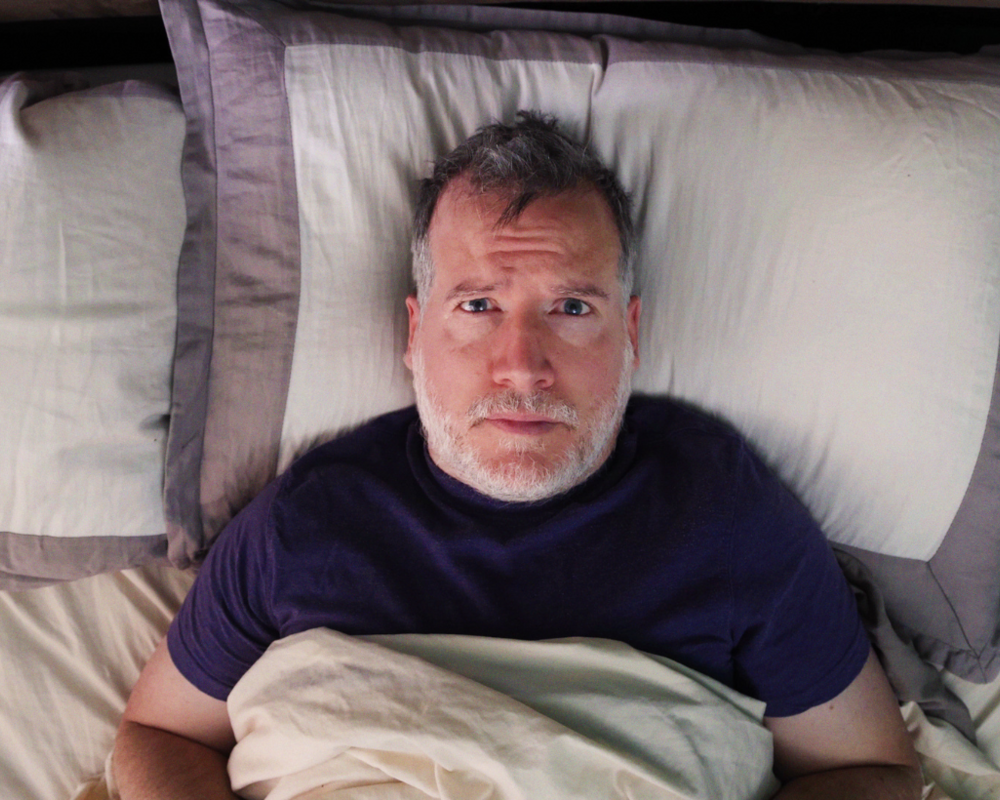
- A sleep disorder can affect the overall health, safety and quality of life.
- Good sleep hygiene can often improve sleep quality significantly.
- Herbal and prescription aids are covered for patient guidance.
Serie English for PTA
01/2026 Type 2 diabetes
03/2026 Migraine
05/2026 Toxic Plants
07/2026 Contraception
09/2026 Sleep Disorders
11/2026 Menstrual Disorders
Sleep is much more than simply taking a break from daily activities. During sleep, the body performs important recov-ery processes that help maintain physical health and emotional well-being. It also benefits memory, learning and the immune system. Modern lifestyles can make healthy sleep difficult. Shift work, frequent travel, stress, long working hours, and the use of smartphones, tablets, and other digital devices can disrupt the body‘s natural sleep-wake cycle and reduce sleep quality.
The Body‘s Rhythm
Sleep is regulated by the body‘s internal clock, or the circadian rhythm, which is mainly controlled by light and darkness. It regulates hormones such as melatonin and cortisol. When this rhythm is disrupted, for example by jet lag or shift work, sleep problems may occur. Older adults are particularly vulnerable to these changes.
Sleep consists of repeated cycles of two main stages:
- Non-Rapid Eye Movement (NREM) Sleep ranges from light to deep sleep. Deep sleep supports physical recovery, tissue repair and immune function.
- Rapid Eye Movement (REM) Sleep is the stage in which most dreaming occurs. It is important for memory, learning and emotional health.
A healthy night includes several cycles of both stages, each contributing to restorative sleep.
Sleep Hygiene: First-Line Advice
For most customers, lifestyle changes should be the first step in managing sleep problems. Good sleep hygiene can often improve sleep quality significantly.
Helpful recommendations include:
- Go to bed and get up at the same time every day, including weekends.
- Avoid smartphones, tablets, computers, and television for at least one hour before bedtime.
- Limit caffeine intake and avoid caffeinated drinks after about 2 p.m.
- Avoid nicotine and alcohol in the evening.
- Keep the bedroom cool, dark, and quiet.
- Use the bed only for sleeping and intimacy.
- Exercise regularly, but avoid vigorous physical activity shortly before bedtime.
- Practice relaxation techniques such as deep breathing, meditation, or progressive muscle relaxation.
Many people with insomnia believe they should spend more time in bed. However, staying in bed longer often makes the situation worse. A regular sleep schedule and a relaxed attitude towards sleep are usually more helpful than trying to force it.
Sleep Aids: An Overview
Herbal remedies may be helpful for mild sleep problems. Common options include Valerian root, Hops, Lavender and Combination products containing valerian, hops, lemon balm, or passionflower.
These products are generally well tolerated, but they often need to be taken regularly for several days or weeks before noticeable benefits occur.
Sedating antihistamines such as diphenhydramine or doxyl-amine may provide short-term relief for occasional insomnia. However, they should only be used for a limited period.
These medicines are generally not recommended for older adults because of their anticholinergic effects. Anticholinergic effects occur when a medicine blocks the action of acetylcholine, a messenger substance involved in many body functions. Possible side effects include a dry mouth, constipation, blurred vision, difficulty urinating, dizziness, confusion and memory problems.
If sleep problems persist despite lifestyle changes and over-the-counter options, prescription medicines may be considered. The most important prescription treatments include Benzodiazepine receptor agonists, the so-called Z-drugs, e.g. zopiclon, eszopiclon, zolpidem.
A product containing 2 mg melatonin in a prolonged formulation can be prescribed for people older than 55 years for short term use.
For a few years there has been a new class of drugs, the orexin receptor antagonists for the treatment of insomnia. They work by blocking the action of orexins, brain chemicals that promote wakefulness. Up to now daridorexant is available on the market as a prescription only medicine.
Jane Funke ist geborene Britin und erstellt als Native Speaker gemeinsam mit Apothekerin Hannelore Gießen seit vielen Jahren die Serie „English for PTA“, die sich mit klassischen OTC-Themen befasst.
Zertifizierte Fortbildung: Schlafstörungen
Testen Sie Ihr Wissen mit der zertifizierten Fortbildung zu Schlafstörungen. Die Akkreditierung ist gültig bis 27.08.2027.
Dialogue
Customer: I’d like something to help me sleep. I’ve had some very restless nights recently.
PTA: Everyone has bad nights from time to time. How long have you had this problem?
Customer: I’d say most nights for about 3 – 4 weeks.
PTA: And what have you tried so far?
Customer: I’ve tried going to bed earlier; I’ve tried drinking a small glass of beer, whisky or warm milk but nothing has helped. I still toss and turn.
PTA: Alcohol may help you to fall asleep faster but your sleep will be lighter, less restorative and you’re likely to wake up during the night. Good sleep hygiene and lifestyle changes are often the first steps towards improving the situation.
Customer: So, what would you suggest?
PTA: People who sleep well don’t even think about it, so you shouldn’t try to chase sleep. It will have the opposite effect. Don’t go to bed if you’re not tired; wait for the body to give you a signal. Try to establish a regular bed-time and don’t be tempted to stay up late or lie in at the weekends. Make sure the bedroom is cool and dark, either with the window open or well ventilated. Also screens such as TVs or phones should be removed as they can keep you awake. Is there anything you know of that could be bothering you?
Customer: The fact that my company is restructuring and several colleagues have been furloughed is distressing, although I know that I’m not at risk myself.
PTA: Yes, that’s understandable. Do you stay in bed brooding about it or do you get up?
Customer: I stay in bed and try to think about something else.
PTA: If you are lying in bed awake, it’s better to get up after about 20 min-utes, and do something relaxing such as drinking a cup of herbal tea, read-ing a book or listening to some gentle music until you feel sleepy again.
Customer: What else can I do?
PTA: Do you take any medication? This might be important as some drugs can impair the way you sleep.
Customer: No, I don’t.
PTA: Would you say you maintain an active lifestyle?
Customer: I try to visit the gym a couple of times a week.
PTA: Being outdoors would probably be more refreshing. So, if you start feeling tired during the day, go for a short walk or chat to someone for a few minutes. Don’t try to keep yourself alert with caffeinated drinks, especially after 2 pm. There are also some good breathing and relaxation exercises that you could try. You can find them online or I can give you a leaflet. And to put your mind at rest, I can show you some herbal remedies containing hops and valerian, too.
Customer: Yes, that sounds good.
PTA: If, after another 3 – 4 weeks, there’s still no improvement, there are some more sedative options but I suggest you first make an appointment with your healthcare provider.
Customer: I’ll do that. Thank you very much.
PTA: You’re welcome.
Vocabulary |
|
| English | Deutsch |
| shift work | Schichtarbeit |
| to disrupt | unterbrechen |
| restorative | erholsam, stärkend |
| vigorous | kräftig, heftig, stark |
| schedule | Zeitplan |
| herbal remedies | pflanzliche Arzneimittel |
| hops | Hopfen |
| lemon balm | Melisse |
| blurred vision | verschwommene Sicht |
| dizziness | Schwindel |
| prolonged formulation | Retard-Arzneiform |
| to toss and turn | sich hin und her wälzen |
| to chase | nachjagen |
| to be tempted to do s.th. | sich verleiten lassen, etw. zu tun |
| to bother | hier: beunruhigen, irritieren |
| furloughed | (zwangs)beurlaubt, freigestellt |
| to brood | hier: grübeln |
| to impair | beeinträchtigen |
| alert | wach, wachsam |
| healthcare provider | Gesundheitsversorger, hier: Arzt/Ärztin |